News

Get in touch and let us know how we can help.

electric motor manufacturers- Gaowei Group
Blog

Engineering for Application: Distinguishing Industrial and Commercial Motor Standards

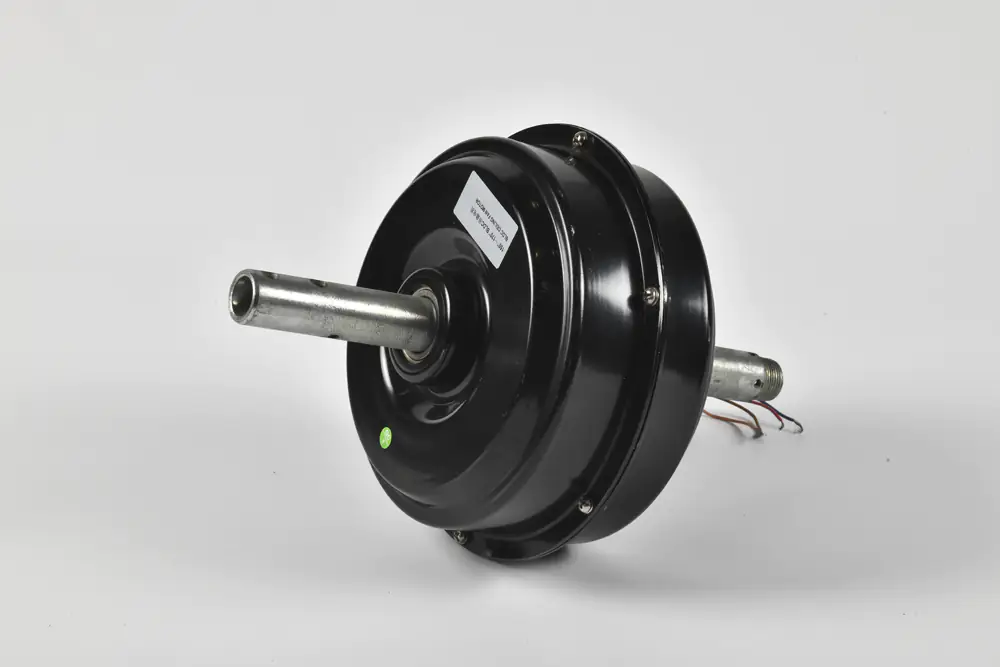
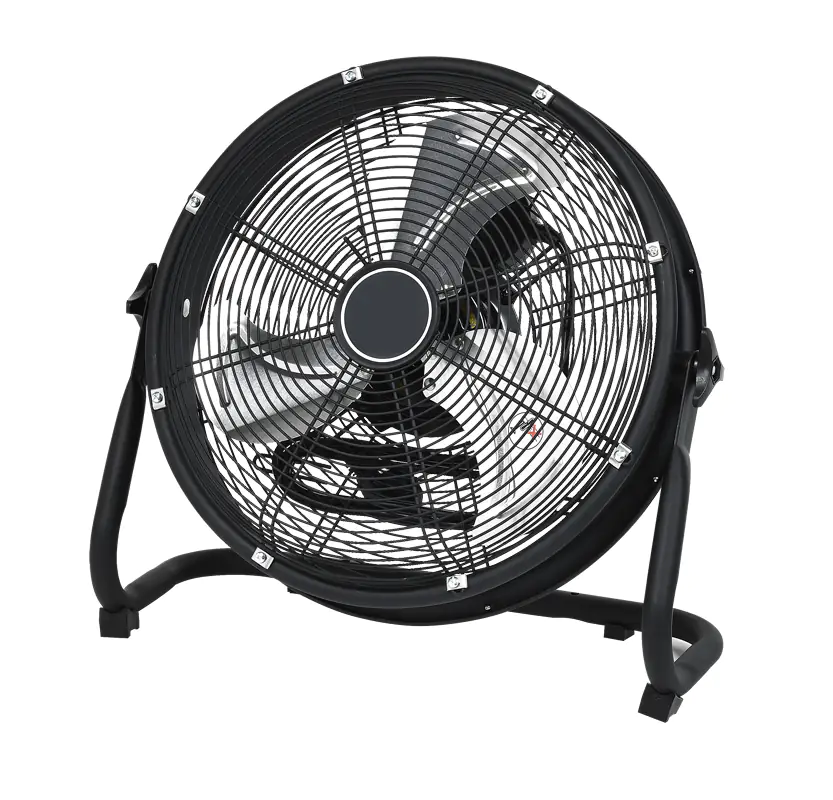
In the global landscape of motion control and ventilation, understanding the technical boundary between industrial and commercial motor requirements is essential for effective system integration. As established motor manufacturers, we recognize that while both categories serve to convert electrical energy into mechanical force, the environmental demands and duty cycles they face are vastly different. Selecting the correct motor type is a critical decision that impacts the long-term reliability and energy efficiency of any professional installation. Technical Demands and Durability in Motor Manufacturing The primary differentiator in motor design is the intended duty cycle. Commercial motors are generally engineered for intermittent use in environments with controlled temperatures, such as office HVAC systems or light commercial appliances. In contrast, as motor manufacturers, we design industrial-grade solutions to handle continuous operation (24/7 duty cycles) in much harsher conditions. These industrial units must withstand higher ambient temperatures, potential chemical exposure, and significant mechanical vibrations
DC motor ceiling fans-Gaowei Group
Blog

Advancing Airflow Efficiency: The Industrial Shift Toward DC Motor Technology

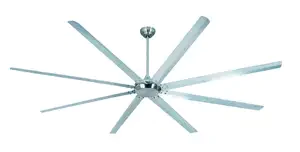
In the current landscape of industrial and commercial ventilation, the transition from traditional AC systems to more advanced alternatives has become a central focus for engineering teams. As a specialized fan manufacturer, we have observed a significant increase in the demand for solutions that offer higher control precision and lower energy consumption. This shift is most evident when comparing the operational mechanics of DC motor ceiling fans against standard AC models, particularly in large-scale commercial environments where operational costs are a primary concern. Comparative Efficiency of DC Motor Ceiling Fans in Commercial Spaces The primary advantage of DC motor ceiling fans lies in their electrical efficiency. Unlike AC motors, which rely on a constant frequency from the power grid, DC technology utilizes internal commutation to manage power more effectively. This results in a significant reduction in power consumption—often up to 70% less than traditional AC counterparts. For our B2B partners, this

Modern Fan Manufacturer-Gaowei Group
Blog

Engineering Reliability: Material Standards for the Modern Fan Manufacturer

In the industrial ventilation sector, the choice of materials directly impacts the operational efficiency and service life of a system. As a specialized fan manufacturer, we prioritize the use of high-grade raw materials that can withstand the mechanical stresses of continuous operation. Selecting materials for industrial components is not merely about structural integrity; it involves optimizing thermal management and ensuring that the internal components can handle the rigors of various environmental conditions. The Role of Precision Components in a Ventilation Fan Motor The efficiency of our air-moving solutions is rooted in the architecture of the ventilation fan motor. We utilize the external rotor motor design, which is a hallmark of our engineering approach. This design requires specific materials that facilitate compact construction while maintaining high torque. For instance, the use of die-cast aluminum for motor housings and fan blades is a standard practice across our product lines. Aluminum is selected

industrial equipment manufacturer- Gaowei Group
Blog

How Industrial Equipment Manufacturers Maintain Quality Control

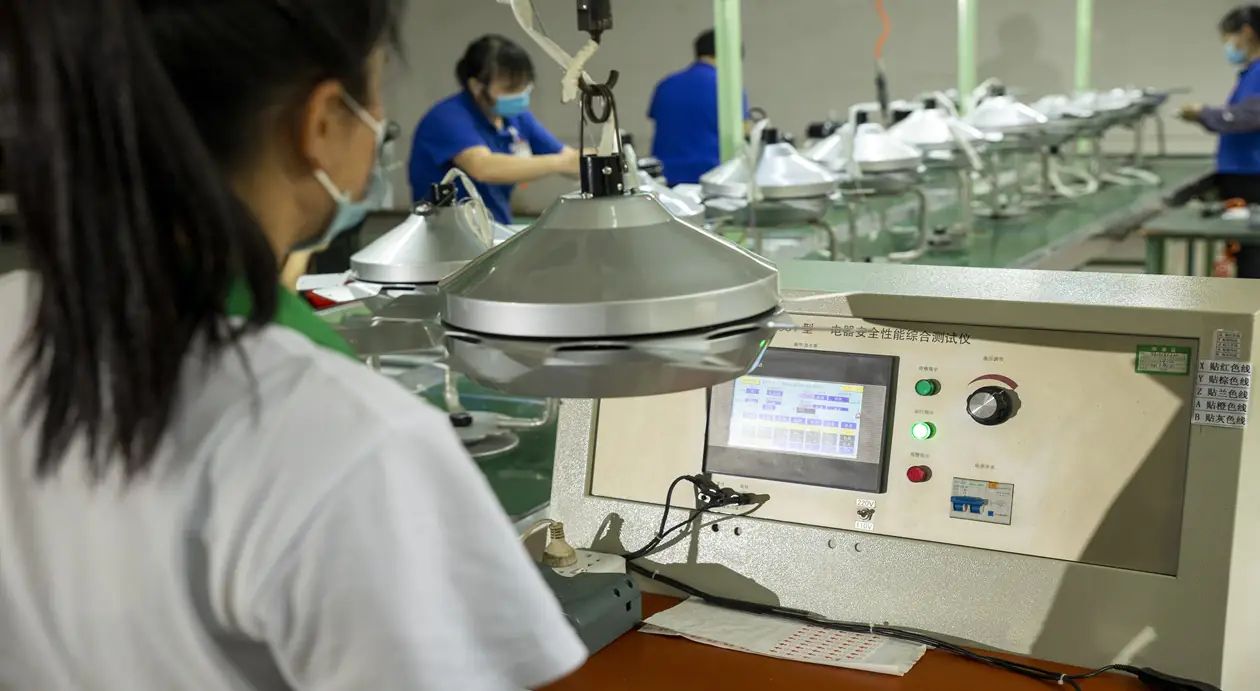
Maintaining consistent quality is a core responsibility for any industrial equipment manufacturer, especially when products are used in demanding industrial environments. We understand that quality control is not a single checkpoint but a continuous process integrated into design, production, and final delivery. At Gaowei Group, we approach quality management as part of daily operations rather than a separate function. From raw material selection to final inspection, each step is aligned with practical industrial standards to ensure reliability, safety, and long-term usability. This structured approach allows an industrial equipment manufacturer to meet real operational needs without relying on exaggerated performance claims. Quality Management Across Manufacturing Processes For an industrial equipment manufacturer, quality control begins long before production starts. We focus on clear technical specifications, stable process parameters, and standardized workflows to reduce variability. During manufacturing, routine inspections and functional checks are applied at key stages to identify deviations early. As a

industrial equipment manufacturer- Gaowei Group
Blog

Applications of Custom Motors in Manufacturing and Automation

In manufacturing and automation environments, motion control is not an isolated function but a foundational part of how equipment operates reliably every day. As an industrial equipment manufacturer, we understand that motors directly affect process accuracy, cycle stability, and long-term equipment performance. At Gaowei Group, we focus on how custom motors can be applied to real production scenarios rather than abstract specifications. By aligning motor design with actual operating conditions, we support manufacturers and automation integrators who need solutions that fit their systems, layouts, and workflow requirements without unnecessary complexity. Manufacturing Equipment Applications Driven by Operational Needs Different manufacturing processes place different demands on motor behavior, especially in terms of torque curves, duty cycles, thermal characteristics, and mechanical integration. In production lines, custom motors are frequently applied in conveyors, feeders, cutting machines, and positioning units where standard products may not fully match space limitations or load variations. By adjusting motor

industrial equipment manufacturer- Gaowei Group
Blog

What OEM Capabilities We Provide for Global Partners

As Gaowei Group, we have accumulated long-term experience in OEM cooperation by working closely with professional B-end customers across different industries. From the perspective of an industrial equipment manufacturer, we understand that OEM service requires not only manufacturing capacity, but also clear technical communication and stable execution. In projects related to custom kitchen appliances, OEM requirements often involve diversified functions, regional standards, and application-specific design details. By participating early in OEM discussions, we help clients align product concepts with realistic manufacturing processes, ensuring that product development remains efficient, transparent, and controllable from the start. OEM Development Based on Engineering Coordination Our OEM services begin with a structured development phase that focuses on feasibility evaluation and technical coordination. Acting as an industrial equipment manufacturer, we review drawings, materials, and structural logic to identify potential production risks before tooling is finalized. This approach is particularly valuable for custom kitchen appliances, where design