In industrial environments, choosing the right fan for specific applications requires careful consideration of both performance and energy efficiency. At Gaowei Group, we have extensive experience designing and producing industrial fans and blowers that meet a wide range of operational needs. From factory floors to warehouses, understanding how many watts different types of fans consume can help businesses optimize energy usage, reduce operational costs, and maintain a comfortable and safe working environment. As a trusted industrial fan supplier, we aim to provide solutions that are both efficient and reliable for our clients worldwide.
Energy Consumption Across Fan Types
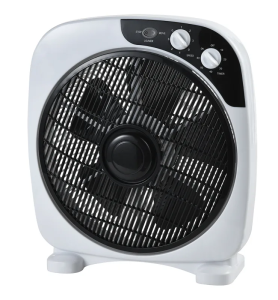
Different industrial fan models consume varying amounts of power depending on their size, motor type, and intended usage. For example, a standard AC-powered floor fan with a 300mm diameter and five plastic blades might operate at around 1230 RPM with a rated power of approximately 39 watts. Such a fan provides a strong air supply while maintaining low noise levels, often under 55 dB, making it suitable for medium-scale production areas or office environments. By contrast, larger industrial blowers designed for heavy-duty ventilation or exhaust systems require significantly higher wattage, often in the range of several hundred watts, to maintain effective airflow and pressure. Understanding these differences is essential when selecting equipment for energy-conscious operations.
Selecting Fans Based on Operational Needs
As a comprehensive industrial fan supplier, we emphasize matching the correct fan type to specific applications. Adjustable-height models, rotary or press switches, and multiple speed settings allow users to control airflow precisely, improving both comfort and efficiency. Our experience shows that fans designed for general ventilation differ considerably in power consumption compared to those used for targeted cooling, exhaust, or industrial process assistance. Using the right industrial fans and blowers for each task ensures that power usage is optimized without compromising performance. Moreover, reliable manufacturing and consistent quality from Gaowei Group help reduce downtime and maintenance costs, which is critical for large-scale industrial operations.
Considerations for Energy Efficiency
Power consumption is only one factor when evaluating industrial fans. We advise considering additional specifications such as noise levels, motor type, and blade design. For instance, AC motors paired with five-blade plastic fans provide efficient airflow at moderate power usage, while more robust DC motors can deliver higher output for specialized applications. As a trusted industrial fan supplier, we help clients analyze these factors to ensure that energy efficiency and operational effectiveness go hand in hand. Selecting the appropriate industrial fans and blowers not only reduces electricity expenses but also contributes to a safer, more comfortable work environment.
Conclusion: Aligning Performance with Efficiency
In summary, understanding how many watts different types of industrial fans use is crucial for any business that relies on effective air movement. At Gaowei Group, we focus on providing high-quality industrial fans and blowers designed to meet diverse requirements across various industries. As an experienced industrial fan supplier, we combine technical expertise with practical design to ensure that each unit delivers reliable performance while maintaining reasonable energy consumption. By considering power, airflow, and operational conditions, companies can make informed decisions that optimize both productivity and efficiency.