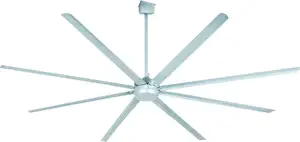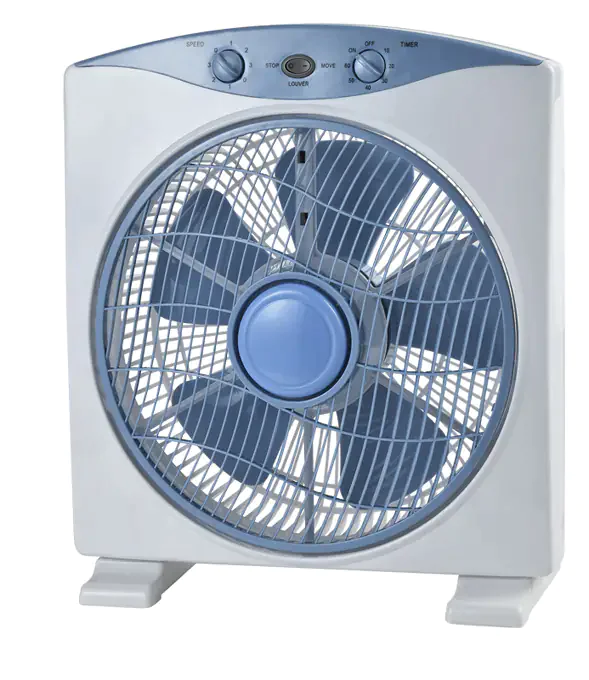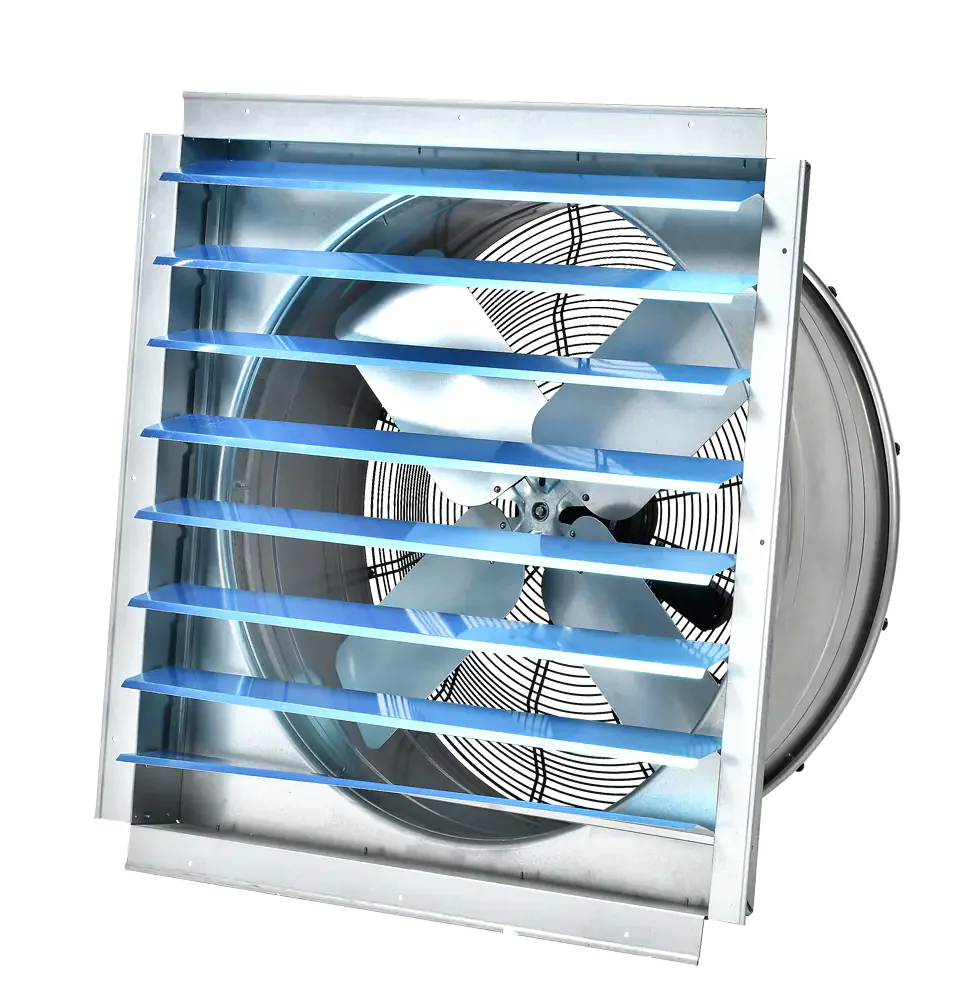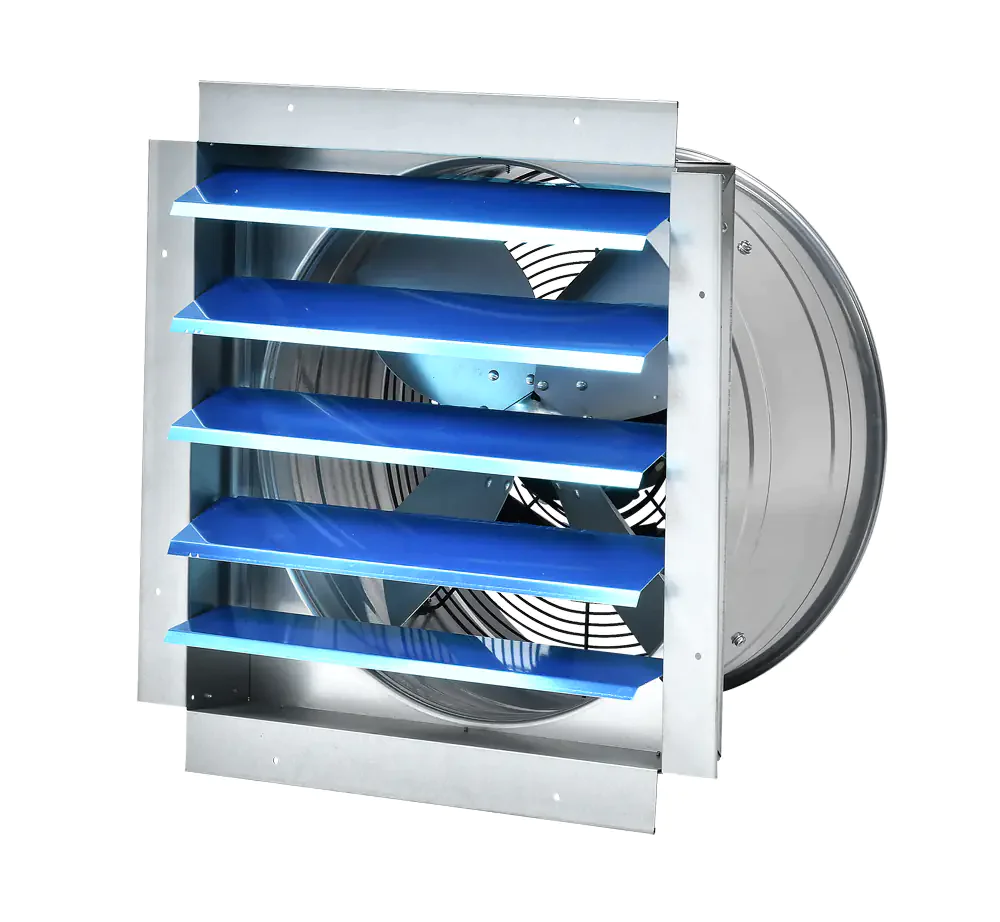
The fundamental difference between residential and industrial air management lies in the complexity of the load and the volume of air displacement required. A commercial air ventilation system is engineered to handle significantly higher occupancy levels and more intense environmental stressors than any home setup. While residential units focus on simple comfort, professional ventilation solutions must address strict safety codes, diverse air pollutants, and high-frequency usage cycles.

Complexity and Zoning Requirements
In a residential setting, air movement is generally uniform and managed by a centralized, low-capacity unit. In contrast, a commercial air ventilation system often requires a sophisticated multi-zone approach. Different areas within a commercial facility—such as kitchens, storage areas, or workspaces—have unique air quality needs. Precision-engineered ventilation solutions allow for varied pressure levels and air exchange rates across these different zones, ensuring that localized heat or odors do not compromise the atmosphere of the entire building. This level of control is a hallmark of the engineering standards maintained by Gaowei Group, where the focus is on creating responsive environments that adapt to specific operational demands.
Durability and Continuous Operation
The mechanical components of a commercial air ventilation system are designed for heavy-duty, 24/7 operation. Unlike residential fans that may run intermittently, industrial-grade motors and filtration units must maintain peak performance under constant load. This necessity for durability influences every part of the design, from the gauge of the ductwork to the efficiency of the exhaust fans. Within the technical frameworks at Gaowei Group, the selection of materials and components is guided by a commitment to long-term reliability. By providing robust ventilation solutions, Gaowei Group ensures that commercial spaces remain compliant with health regulations while minimizing the risk of mechanical downtime.
Maintenance and Integration Standards
Maintaining air quality in a large-scale facility involves more than just changing a filter. A commercial air ventilation system requires integrated sensors and monitoring tools to track air particulate levels and flow rates in real-time. This data-driven approach allows for proactive maintenance, a strategy that is central to the operational philosophy at Gaowei Group. By focusing on high-performance infrastructure, Gaowei Group supports the development of facilities that are not only comfortable but also energy-efficient and safe for high-density occupation. This rigorous attention to technical detail ensures that professional air management remains a silent but vital pillar of commercial success.